All Categories
Featured
The Actions to Take to Recover Your Credit Statements
Table of Contents
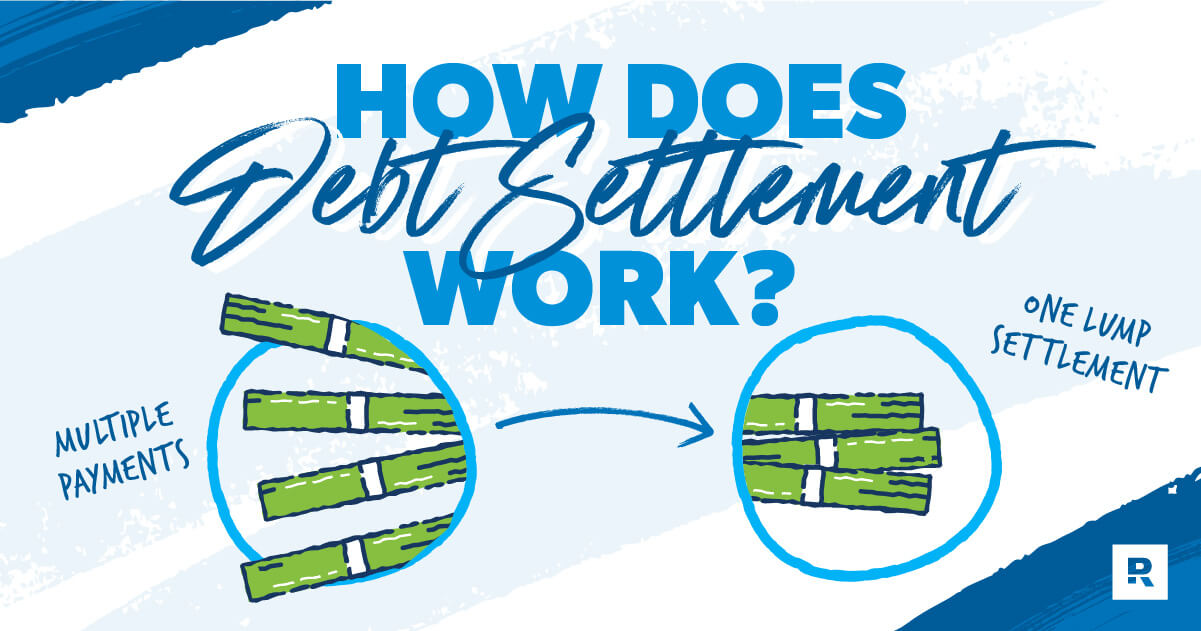
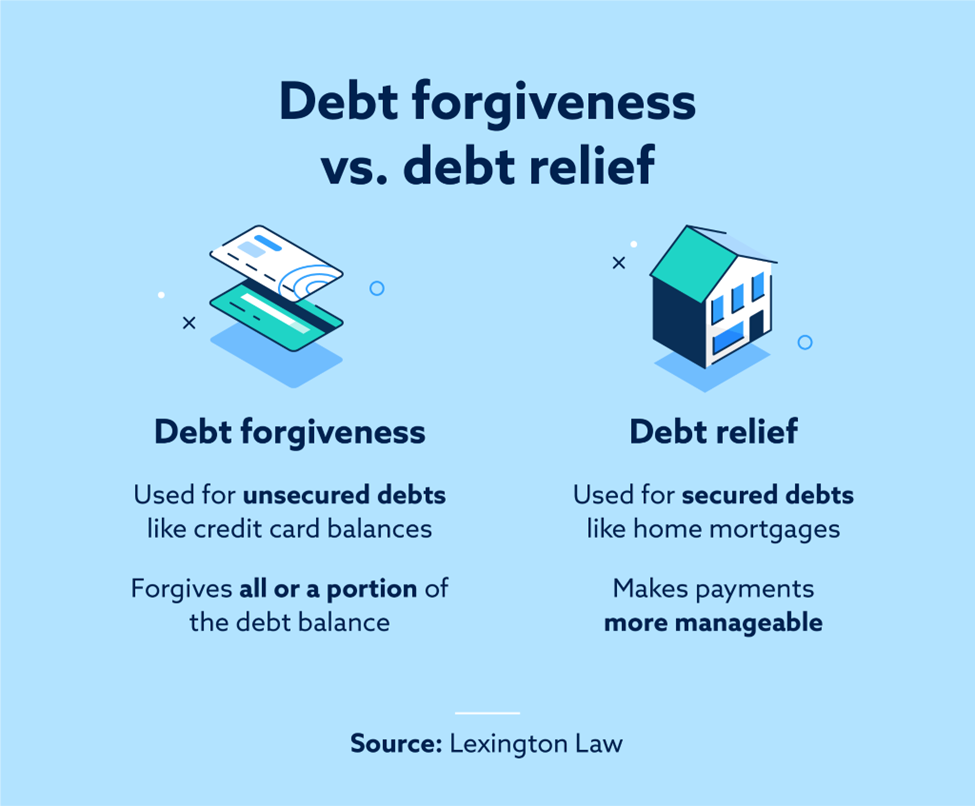
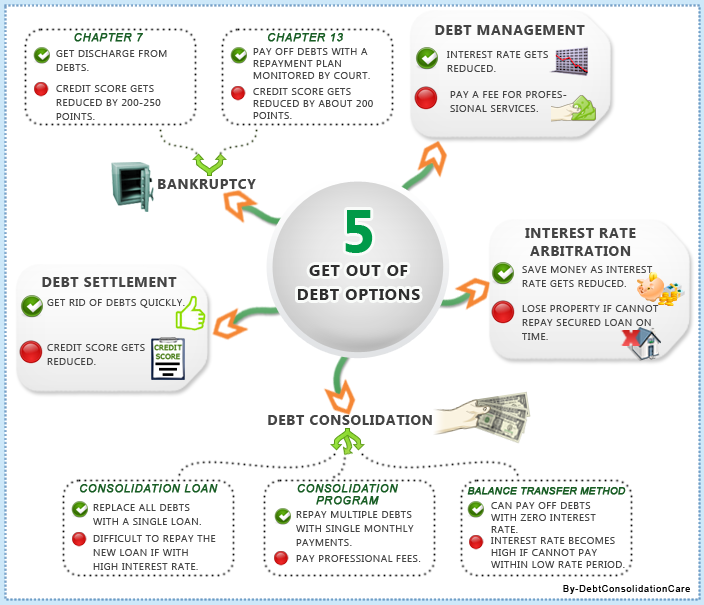
That liberates cash in the short term, and you may have three to four years to save toward the settlement quantity. Really harmful to credit report, primarily because of missed payments and an unfavorable "settled" mark that could stay on your credit scores report for as much as 7 yearsMay be only option if various other alternatives (debt consolidation, balance transfer bank card, financial obligation mercy) aren't possibleTypically needs a charge to the 3rd party, which might balance out some or all of the financial savings from debt settlementMay aid you stay clear of insolvency if you've missed out on numerous paymentsNot all creditors collaborate with financial obligation settlement firms Debt mercy may be appropriate for you if you are experiencing a financial difficulty that makes it virtually difficult to pay for your debt equilibriums.
With a DMP, you make one regular monthly settlement to the credit history counseling firm. Those funds are after that distributed to lenders of your unprotected financial debts, such as credit history cards and installment finances. The agency deals with your creditors to lower interest rates or waive fees, yet some financial institutions might reject such concessions.
A financial debt loan consolidation finance combines your eligible financial debts right into one new financing. It can aid you pay for financial obligation if you have the ability to safeguard a car loan price that's less than the typical rate of the accounts you're combining. You must refrain from racking up debt on those newly gotten rid of accounts or your financial debt could grow also higher.
These cards commonly use a 0% interest initial period of as much as 21 months. That provides you lots of time to remove or substantially minimize your equilibrium while making interest-free repayments. For some people facing overwhelming financial debt, bankruptcy might be the only means to quit collection process and lawfully solve their debts.
Prevalent Misunderstandings Regarding Best Repayment and Forgiveness Programs for Medical Professionals Things To Know Before You Buy
You may require it if your creditor or a collection firm ever before tries to accumulate on the financial debt in the future. When a lending institution forgives $600 or more, they are required to send you Kind 1099-C.
Financial debt forgiveness or settlement often hurts your credit. Anytime you work out a financial debt for much less than you owe, it might look like "resolved" on your credit scores record and influence your credit history for seven years from the day of settlement. Your credit score can also go down substantially in the months causing the forgiveness if you fall behind on repayments.
The Everything to Know Throughout the Bankruptcy Experience Ideas
Tax obligation debt concession programs Tax obligation debt takes place when the amount of tax obligations you owe surpasses what you have actually paid. This circumstance usually arises from underreporting revenue, not submitting returns on time, or discrepancies found throughout an IRS audit. The repercussions of collecting tax financial debt are severe and can include tax obligation liens, which offer the internal revenue service a legal case to your home as security for the financial obligation.
Higher rates of interest on readily available credit. Wages and Bank Accounts IRS can impose (take) incomes and savings account to please the financial obligation. Lowered revenue and interruption of necessary financial processes. Residential or commercial property Seizure In severe instances, the internal revenue service can confiscate and market residential or commercial property to cover the financial debt. Loss of beneficial properties and potential displacement.
Anxiety, anxiety, and various other mental health and wellness concerns. Social Stigma Encountering lawsuit from the internal revenue service can carry social preconception. Damage to track record and connections. Work Opportunities A poor credit report due to exhaust debt can limit job opportunity. Difficulty searching for or maintaining a work. Federal government Benefits Tax financial obligation may influence qualification for federal government benefits, such as Social Safety And Security and Medicaid.
About Why Ignoring to Pursue Best Repayment and Forgiveness Programs for Medical Professionals Will Cost You
The OIC thinks about numerous elements, including the taxpayer's income, costs, asset equity, and ability to pay. Effectively bargaining an OIC can be complicated, requiring an extensive understanding of the internal revenue service's standards and a solid debate for why your deal aligns with your ability to pay. It is necessary to note that not all applications are accepted, and the process calls for thorough financial disclosure.
The internal revenue service evaluates your general financial situation, including your revenue, costs, property equity, and ability to pay. You need to also be present with all declaring and settlement needs and not remain in an open personal bankruptcy case. The IRS additionally considers your compliance history, evaluating whether you have a record of prompt declaring and paying tax obligations in previous years.
Building Your Custom Best Repayment and Forgiveness Programs for Medical Professionals Roadmap Things To Know Before You Buy
The application procedure for an Offer in Compromise includes several in-depth steps. You have to complete and send Internal revenue service Kind 656, the Offer in Compromise application, and Type 433-A (OIC), a collection information declaration for individuals. These kinds need thorough financial info, including information concerning your revenue, debts, expenses, and properties.
Back tax obligations, which are unsettled tax obligations from previous years, can substantially enhance your complete IRS financial debt otherwise addressed without delay. This financial obligation can accumulate interest and late payment charges, making the original amount owed a lot bigger gradually. Failing to pay back taxes can result in the internal revenue service taking enforcement activities, such as issuing a tax lien or levy against your residential or commercial property.
It is necessary to attend to back tax obligations immediately, either by paying the sum total owed or by organizing a layaway plan with the IRS. By taking positive actions, you can prevent the buildup of extra rate of interest and charges, and avoid much more hostile collection activities by the internal revenue service.
One typical factor is the belief that the taxpayer can pay the total either as a round figure or with a layaway plan. The IRS also considers the taxpayer's earnings, costs, possession equity, and future earning potential. If these aspects suggest that the taxpayer can pay for to pay greater than the provided quantity, the internal revenue service is most likely to turn down the offer.
Is It Worth vs Self-Guided Options Can Be Fun For Everyone
It is vital to offer accurate and complete information in your application and to seek advice from with a tax professional to enhance the chances of acceptance. Taking care of IRS debt can be complicated and daunting. Tax experts, such as CPAs, tax lawyers, or enlisted representatives, can give very useful assistance. They have the knowledge to navigate the intricacies of tax law and IRS procedures.

Table of Contents
Latest Posts

The Single Strategy To Use For Being Cautious Against Specialty Counseling for Caregivers Balancing Their Own Bills and a Loved One’s Needs Predatory Practices
The Ultimate Guide To Is It Worthwhile of Professional Debt Counseling
Excitement About Key Things to Ask Before Signing Up
More
Latest Posts
The Ultimate Guide To Is It Worthwhile of Professional Debt Counseling
Excitement About Key Things to Ask Before Signing Up