All Categories
Featured
:max_bytes(150000):strip_icc()/debtrestructuring.asp_final-a64fcb2c01704710bc55061e4304ce7d.png)
The 5-Minute Rule for Community-Based Financial counseling for veterans in Arizona coping with high summer costs and rising bills Options Explained
Table of Contents
Photo Are enrolled in the California Alternative Rates for Power (CARE) or Family Members Electric Rate Aid (FERA) program. Have made at least one on-time settlement in the past 24 months.
Consumers who enlist in the AMP program are not qualified for installation plans. Net Energy Metering (NEM), Straight Accessibility (DA), and master metered consumers are not currently qualified. For clients intending on relocating within the following 60 days, please put on AMP after you've established service at your new move-in address.
The catch is that nonprofit Charge card Financial obligation Mercy isn't for everyone. To certify, you should not have made a repayment on your charge card account, or accounts, for 120-180 days. Additionally, not all lenders take part, and it's just provided by a couple of not-for-profit credit history counseling agencies. InCharge Debt Solutions is among them.
"The various other emphasize was the mindset of the therapist that we can get this done. I was seeming like it wasn't mosting likely to happen, yet she kept with me, and we obtained it done." The Bank Card Mercy Program is for people that are so much behind on charge card payments that they are in major financial trouble, perhaps encountering insolvency, and don't have the earnings to catch up."The program is specifically created to assist customers whose accounts have been billed off," Mostafa Imakhchachen, client treatment expert at InCharge Financial debt Solutions, said.
9 Simple Techniques For Your Rights

Financial institutions that get involved have concurred with the not-for-profit credit scores counseling company to approve 50%-60% of what is owed in fixed month-to-month settlements over 36 months. The fixed repayments imply you recognize exactly how much you'll pay over the repayment duration. No interest is charged on the equilibriums throughout the benefit duration, so the settlements and amount owed don't change.
It does reveal you're taking an active role in decreasing your financial debt., your credit rating rating was currently taking a hit.
The company will pull a credit history record to understand what you owe and the extent of your challenge. If the forgiveness program is the ideal remedy, the therapist will send you an arrangement that details the plan, consisting of the amount of the monthly settlement.
When everybody agrees, you start making month-to-month repayments on a 36-month plan. When it's over, the agreed-to quantity is gotten rid of. There's no fine for repaying the equilibrium early, yet no expansions are permitted. If you miss a repayment, the contract is squashed, and you have to leave the program. If you think it's a great choice for you, call a therapist at a nonprofit credit history therapy company like InCharge Financial debt Solutions, who can answer your concerns and help you identify if you certify.
Developing a Personalized Journey to Relief Things To Know Before You Get This
Because the program enables consumers to settle for much less than what they owe, the financial institutions who take part want reassurance that those that take benefit of it would certainly not be able to pay the sum total. Your charge card accounts likewise need to be from banks and bank card business that have accepted get involved.
If you miss out on a repayment that's just one missed payment the arrangement is ended. Your creditor(s) will terminate the strategy and your equilibrium goes back to the initial amount, minus what you've paid while in the program.
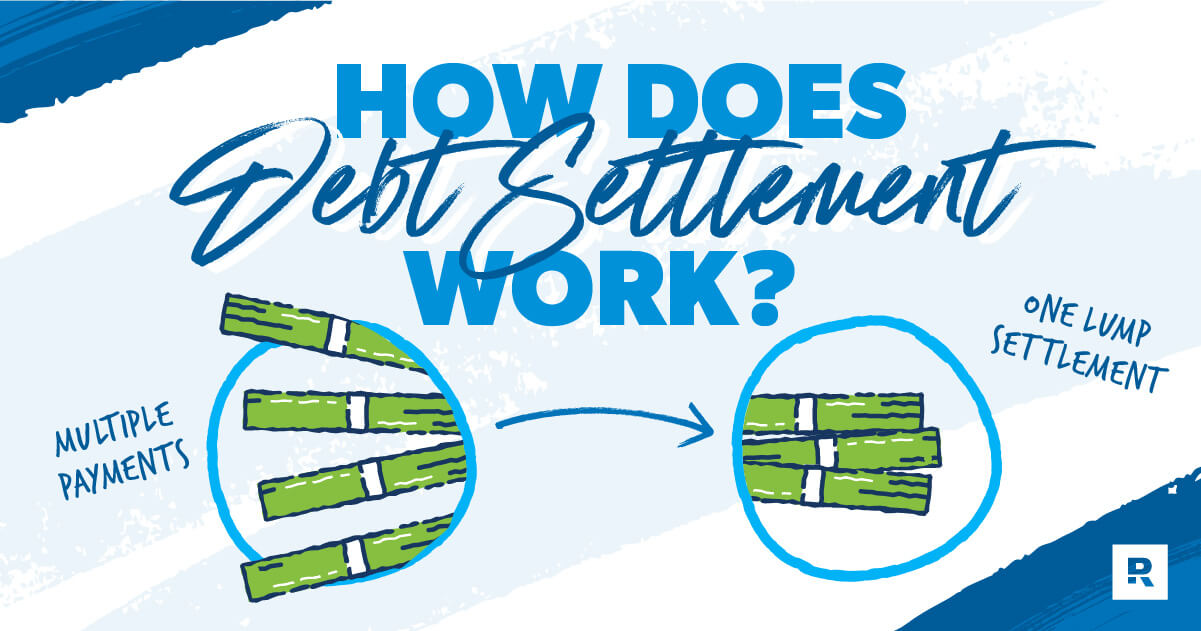
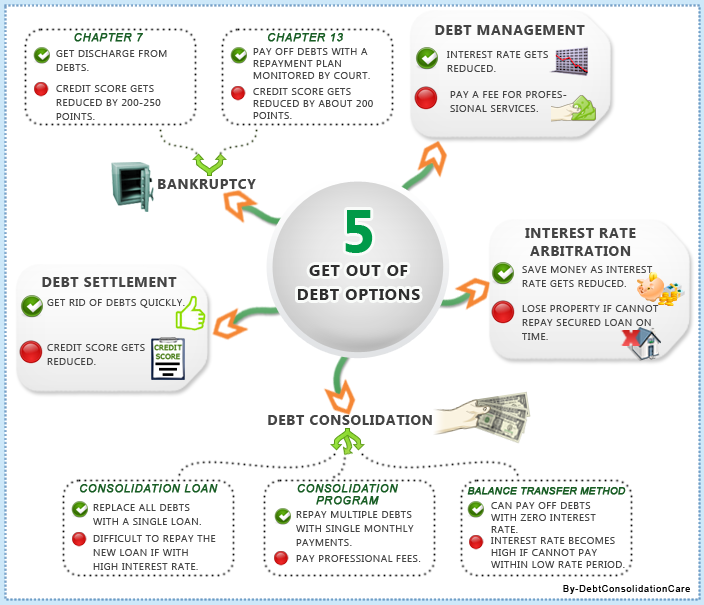
With the forgiveness program, the creditor can rather choose to keep your debt on guides and recoup 50%-60% of what they are owed. Nonprofit Charge Card Financial obligation Mercy and for-profit financial debt negotiation are similar in that they both provide a means to clear up debt card debt by paying much less than what is owed.
The Only Guide for How to Not Repeat New Debt Traps After Your Fresh Start
Charge card mercy is designed to set you back the customer less, settle the financial obligation quicker, and have fewer downsides than its for-profit counterpart. Some essential locations of difference between Charge card Debt Mercy and for-profit financial obligation settlement are: Charge card Financial debt Forgiveness programs have partnerships with creditors who have consented to get involved.
Once they do, the payoff duration begins instantly. For-profit debt negotiation programs work out with each financial institution, normally over a 2-3-year period, while rate of interest, charges and calls from financial debt collectors proceed. This suggests a larger hit on your credit scores record and credit report, and a boosting equilibrium until negotiation is completed.
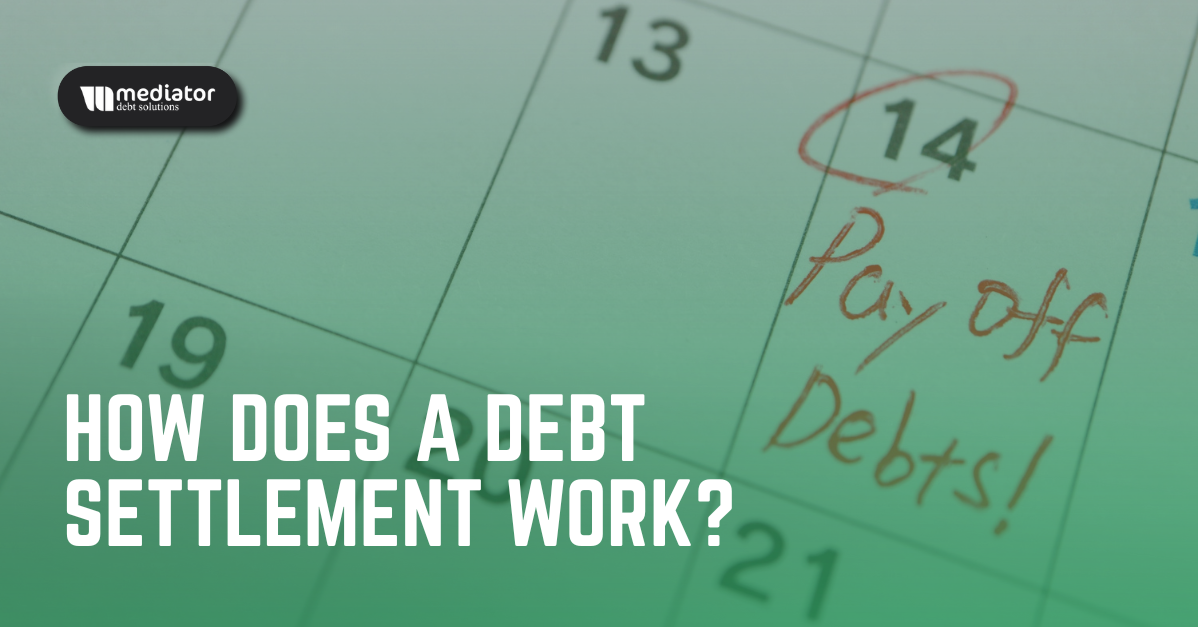
Debt Card Financial obligation Mercy customers make 36 equal month-to-month repayments to eliminate their financial obligation. For-profit financial obligation negotiation clients pay into an escrow account over an arrangement period towards a swelling sum that will certainly be paid to lenders.

Table of Contents
Latest Posts

The Single Strategy To Use For Being Cautious Against Specialty Counseling for Caregivers Balancing Their Own Bills and a Loved One’s Needs Predatory Practices
The Ultimate Guide To Is It Worthwhile of Professional Debt Counseling
Excitement About Key Things to Ask Before Signing Up
More
Latest Posts
The Ultimate Guide To Is It Worthwhile of Professional Debt Counseling
Excitement About Key Things to Ask Before Signing Up